Health & Wellness

Stretches for lower back pain
Health & Wellness

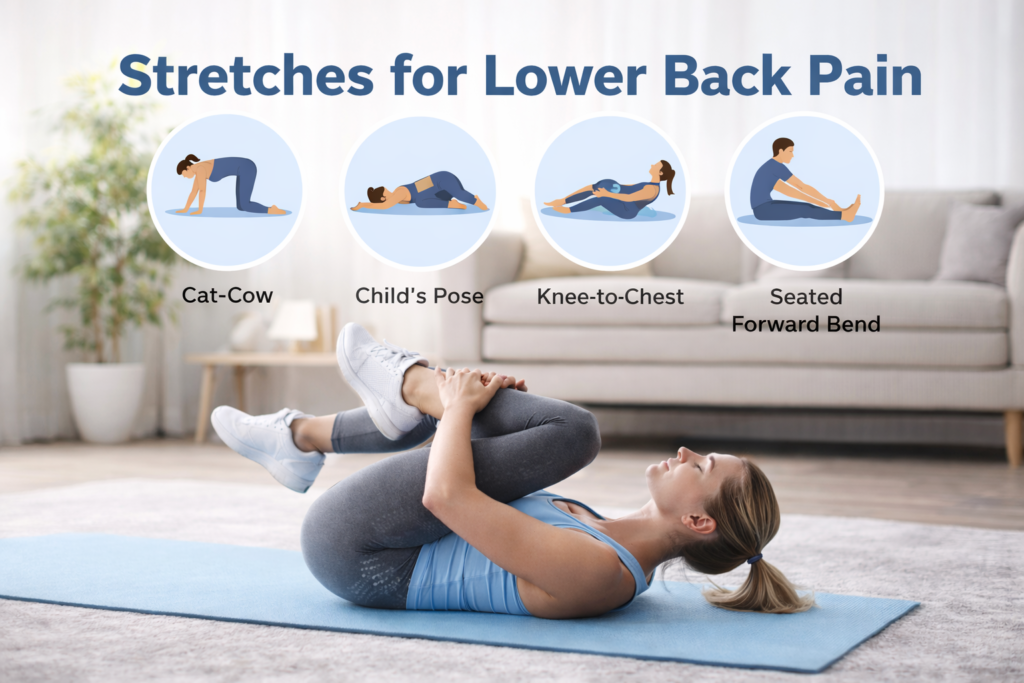
Best Stretches for Lower Back Pain: Simple Exercises for Relief and Flexibility

Introduction Lower back pain is one of the most common physical problems experienced by people of all ages. It often develops due to poor posture, long hours of sitting, muscle tightness, lack of exercise, or lifting heavy objects incorrectly. In many cases, the muscles around the spine become stiff and weak, which leads to discomfort and reduced mobility. The lower back plays an important role in supporting body weight, maintaining posture, and allowing movement such as bending, twisting, and lifting. When the muscles in this area become tight or strained, even simple daily activities can feel painful. One of the most effective ways to relieve and prevent lower back pain is through regular stretching. Stretching helps improve flexibility, increase blood circulation, and reduce muscle tension in the back and surrounding areas. This article explains some of the best stretches for lower back pain, their benefits, and how they can help improve spinal health. 1. Knee-to-Chest Stretch The knee-to-chest stretch is a gentle exercise that helps relieve tension in the lower back and improves flexibility in the spine. How to Do It Benefits 2. Cat-Cow Stretch The cat-cow stretch is a popular yoga movement that gently stretches the spine and improves back mobility. How to Do It Benefits 3. Child’s Pose Stretch Child’s pose is a relaxing stretch that gently lengthens the spine and releases tension in the lower back. How to Do It Benefits 4. Pelvic Tilt Stretch Pelvic tilts strengthen the abdominal muscles while gently stretching the lower back. How to Do It Benefits 5. Seated Forward Bend Stretch This stretch targets the lower back, hamstrings, and spine. How to Do It Benefits 6. Figure Four Stretch The figure four stretch helps relieve tension in the hips and lower back. How to Do It Benefits Tips for Stretching Safely Stretching can be very helpful for back pain, but it is important to do it safely. Warm Up FirstLight movement such as walking for a few minutes helps prepare the muscles for stretching. Move SlowlyAvoid sudden or jerky movements that may strain the muscles. Do Not Force the StretchStretch only until you feel gentle tension, not pain. Practice Regularly Doing stretches daily provides better results than occasional exercise. Additional Habits to Support Lower Back Health Stretching works best when combined with healthy lifestyle habits. Stay Physically Active Regular exercise strengthens muscles that support the spine. Avoid Prolonged Sitting Take breaks every 30–60 minutes to stand and stretch. Use Proper Lifting Techniques Always bend your knees when lifting heavy objects. When to See a Doctor Maintain Good PostureKeep your back straight when sitting or standing. While stretching can relieve mild lower back pain, some symptoms require medical attention. Consult a healthcare professional if you experience: Early treatment can help prevent long-term complications.

types of back pain
Health & Wellness

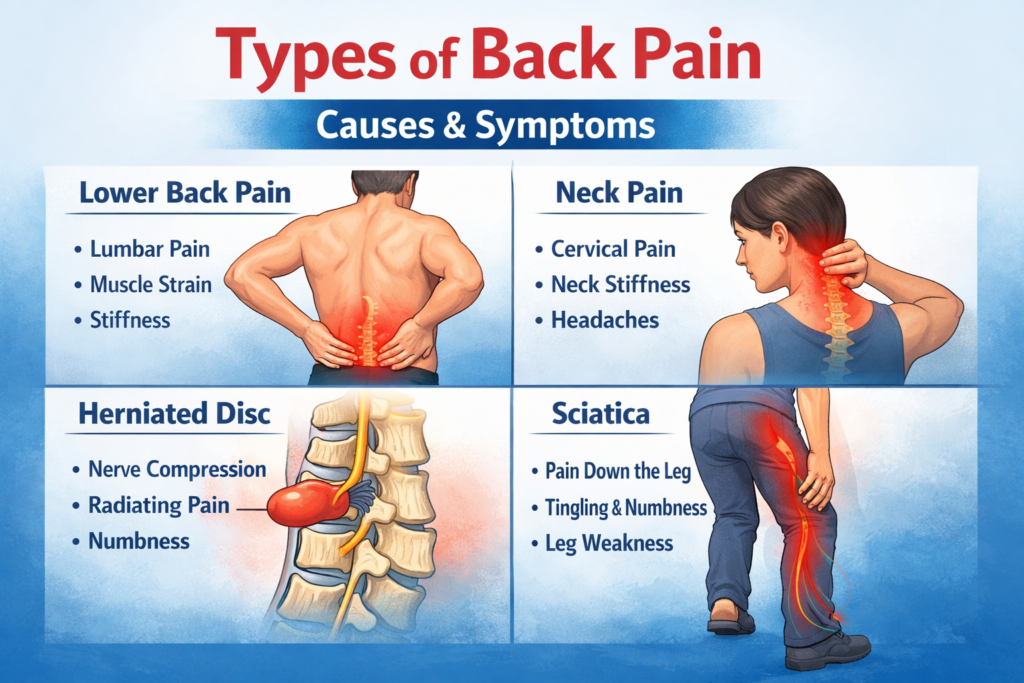
Different Types of Back Pain: Causes, Symptoms, and Prevention

Introduction Back pain is one of the most common health complaints affecting millions of people worldwide. It can occur at any age and may result from poor posture, muscle strain, injuries, or underlying medical conditions. The back is a complex structure made up of bones, muscles, ligaments, nerves, and discs that work together to support the body and allow movement. Because of this complexity, back pain can develop in different areas and for different reasons. Some people experience mild discomfort that improves with rest, while others may suffer from persistent or severe pain that affects daily activities. Understanding the different types of back pain can help individuals recognize symptoms early and take appropriate steps to manage or prevent the condition. This article explains the most common types of back pain, their causes, symptoms, and prevention strategies. 1. Lower Back Pain (Lumbar Pain) Lower back pain is the most common type of back pain. It occurs in the lumbar region, which is the lower part of the spine that supports most of the body’s weight. This type of pain often develops due to muscle strain, poor posture, heavy lifting, or prolonged sitting. Common symptoms include: Lower back pain may be temporary or chronic depending on the underlying cause. 2. Upper Back Pain (Thoracic Pain) Upper back pain occurs in the thoracic region, which is the middle part of the spine located between the neck and the lower back. Although less common than lower back pain, it can still cause significant discomfort. Common causes include: Symptoms may include: Upper back pain is often related to posture and can improve with exercise and ergonomic adjustments. 3. Neck-Related Back Pain (Cervical Pain) Neck-related back pain affects the cervical spine, which is the uppermost portion of the spine. This type of pain can spread from the neck to the shoulders and upper back. Common causes include: Symptoms include: Improving posture and reducing screen time can significantly reduce cervical pain. 4. Sciatica (Nerve-Related Back Pain) Sciatica is a specific type of back pain caused by irritation or compression of the sciatic nerve. The sciatic nerve is the largest nerve in the body and runs from the lower back through the hips and down each leg. Symptoms often include: Sciatica is often caused by a herniated disc, spinal stenosis, or nerve compression. 5. Herniated Disc Pain A herniated disc occurs when the soft center of a spinal disc pushes through a crack in the outer layer. This condition can press on nearby nerves, causing pain and discomfort. Common symptoms include: Herniated discs are more common in adults aged 30–50 and may result from aging or injury. 6. Chronic Back Pain Chronic back pain refers to pain that lasts longer than three months. Unlike temporary pain from a strain or injury, chronic pain may persist even after the initial injury has healed. Possible causes include the following: Symptoms may include: Chronic back pain often requires long-term management and lifestyle adjustments. Factors That Increase the Risk of Back Pain Several lifestyle and health factors can increase the risk of developing back pain. Poor Posture Slouching while sitting or standing places stress on the spine. Lack of Physical Activity Weak muscles cannot properly support the spine, increasing the risk of injury. Obesity Excess body weight places extra pressure on the spine and back muscles. Heavy Lifting Improper lifting techniques can strain muscles and spinal structures. Stress Stress can cause muscle tension, which may lead to back pain. Tips for Preventing Back Pain Although back pain is common, certain habits can help protect the spine and reduce the risk. Maintain Good Posture Keep your back straight and shoulders relaxed when sitting or standing. Exercise Regularly Strengthening the core and back muscles improves spinal support. Lift Objects Properly Use your legs rather than your back when lifting heavy objects. Maintain a Healthy Weight A healthy weight reduces stress on the spine. Take Breaks From Sitting Standing and stretching regularly helps reduce back strain. When to See a Doctor While mild back pain often improves with rest, some symptoms require medical attention. You should consult a healthcare professional if you experience: Early diagnosis and treatment can help prevent complications and improve recovery.

common causes of knee pain
Health & Wellness

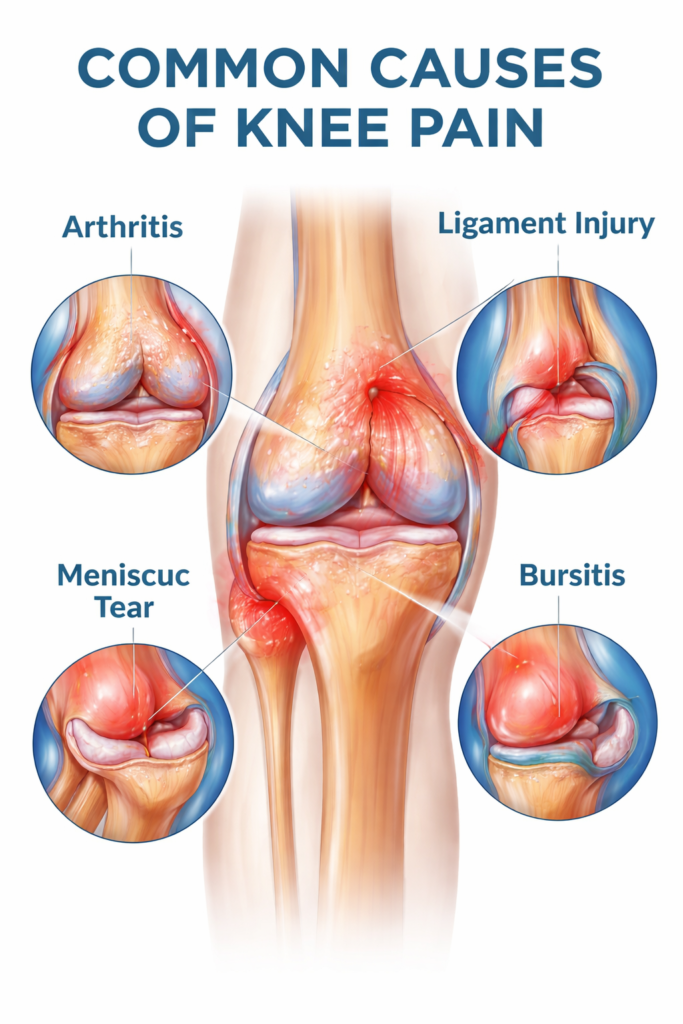
What Causes Knee Pain? Common Reasons, Symptoms, and Prevention

Introduction Knee pain is one of the most common musculoskeletal problems affecting people of all ages. The knee is the largest joint in the body and plays a crucial role in everyday activities such as walking, standing, running, and climbing stairs. Because the knee carries much of the body’s weight, it is especially vulnerable to injury, wear and tear, and medical conditions that cause pain and inflammation. Knee pain can develop suddenly due to injury or gradually over time due to underlying health conditions. While mild knee pain may improve with rest and home care, persistent or severe pain may require medical evaluation. Understanding the causes of knee pain can help individuals identify symptoms early and take steps to maintain healthy joints. This article explains the most common causes of knee pain and provides helpful guidance on prevention and management. 1. Arthritis: A Leading Cause of Knee Pain Arthritis is one of the most common causes of knee pain, especially among older adults. It refers to inflammation within the joint that can lead to pain, swelling, and stiffness. There are several types of arthritis that can affect the knee, but the most common ones are osteoarthritis and rheumatoid arthritis. Osteoarthritis Osteoarthritis is the most common form of arthritis affecting the knee. It develops when the cartilage that cushions the bones in the knee joint gradually wears away. Cartilage allows bones to move smoothly without friction. When it deteriorates, bones may rub together, leading to pain and stiffness. Common symptoms of knee osteoarthritis include: Osteoarthritis typically develops slowly and becomes more common with aging. Rheumatoid Arthritis Rheumatoid arthritis is an autoimmune disease in which the immune system mistakenly attacks the lining of the joints. This attack causes inflammation that can damage cartilage and bone over time. Symptoms may include: Rheumatoid arthritis often affects multiple joints and may impact both knees. Early treatment is important to slow disease progression and protect joint function. 2. Knee Injuries and Physical Trauma Injuries are another major cause of knee pain. These injuries often occur during sports, exercise, falls, or accidents. The knee joint contains several structures, including ligaments, tendons, cartilage, and bones. Damage to any of these structures can lead to pain and instability. Common knee injuries include: Ligament Injuries Ligaments help stabilize the knee joint. A sudden twist or impact may tear a ligament. One of the most common injuries is an ACL (anterior cruciate ligament) tear, often seen in athletes. Symptoms may include: Meniscus Tears The meniscus is a piece of cartilage that cushions the knee joint. Sudden twisting movements or heavy pressure on the knee can cause it to tear. Symptoms often include: Knee Fractures Broken bones around the knee, including the kneecap (patella), can result from falls, car accidents, or direct trauma. Fractures can cause severe pain and limited movement. 3. Inflammation and Overuse Conditions Inflammation in the knee joint or surrounding tissues can also lead to knee pain. These conditions often occur due to repetitive movements or overuse. Bursitis Bursae are small fluid-filled sacs that reduce friction between bones and soft tissues. When these sacs become inflamed, the condition is known as bursitis. Symptoms include: Knee bursitis often affects people who kneel frequently, such as gardeners or construction workers. Tendonitis Tendinitis occurs when the tendons that connect muscles to bones become inflamed. It is commonly caused by repetitive stress on the knee joint. Athletes who run or jump frequently are more likely to develop tendinitis. Symptoms include: 4. Aging and Natural Joint Degeneration As people age, the knee joints naturally experience wear and tear. Over time, several changes may occur: These changes can result in stiffness, discomfort, and reduced mobility. Age-related knee pain is particularly common in individuals over the age of 45. However, maintaining an active lifestyle and healthy body weight can help slow these changes. 5. Other Factors That Contribute to Knee Pain In addition to arthritis and injuries, several lifestyle and health factors can increase the risk of knee pain. Obesity Excess body weight places significant pressure on the knee joints. Each additional kilogram of body weight increases stress on the knees during movement. Over time, this can accelerate cartilage damage. Lack of Physical Activity A sedentary lifestyle can weaken the muscles that support the knee joint. Weak muscles increase the risk of joint instability and pain. Poor Posture and Body Mechanics Improper posture while walking, standing, or lifting heavy objects can strain the knee joint. Over time, this may lead to chronic discomfort. Repetitive Movements Jobs or sports that involve repeated knee movements can gradually damage joint tissues. Activities such as running, jumping, or kneeling for long periods may contribute to knee pain. Tips for Preventing Knee Pain Although knee pain cannot always be prevented, certain lifestyle habits can help protect the knee joints. Stay Physically Active Regular exercise strengthens the muscles around the knee and improves flexibility. Low-impact exercises such as walking, swimming, and cycling are ideal for knee health. Maintain a Healthy Weight Keeping a healthy weight reduces stress on the knees and lowers the risk of joint damage. Stretch Before Exercise Stretching improves flexibility and helps prevent muscle and joint injuries. Wear Proper Footwear Supportive shoes can help maintain proper alignment and reduce pressure on the knees. Avoid Overuse Allow adequate rest between intense physical activities to prevent overuse injuries. When to See a Doctor While mild knee pain often improves with rest, some symptoms require medical attention. You should consult a healthcare professional if you experience: Early diagnosis and treatment can prevent long-term damage and improve recovery outcomes.

Acute vs chronic joint pain comparison showing knee injury with red inflammation and older adult experiencing long-term joint pain
Health & Wellness

Acute vs. Chronic Joint Pain

  Introduction Joint pain can affect people of all ages and may occur suddenly or develop gradually over time. Understanding the difference between acute and chronic joint pain is important for proper treatment and long-term joint health. While acute pain is usually temporary and linked to injury or inflammation, chronic pain persists for months and may indicate an underlying medical condition. What Is Acute Joint Pain? Acute joint pain refers to sudden pain that develops quickly and typically lasts for a short period  usually a few days to a few weeks. It is often caused by injury, strain, or temporary inflammation. Acute pain serves as a warning signal that something is wrong and needs attention.Acute joint pain generally improves once the underlying cause is treated or healed. What Is Chronic Joint Pain? Chronic joint pain is long-term pain that lasts for three months or longer. Unlike acute pain, it may continue even after the initial injury has healed. Chronic pain can develop gradually and may worsen over time if not properly managed.It often requires ongoing treatment and lifestyle adjustments to control symptoms and maintain joint function. Key Differences Between Acute and Chronic Joint Pain Duration: Acute pain: Short-term (days to weeks) Chronic pain: Long-term (3 months or more) Onset: Acute pain: Sudden Chronic pain: Gradual or persistent Cause: Acute pain: Injury, sprain, infection, inflammation Chronic pain: Arthritis, autoimmune disorders, long-term joint damage Treatment Approach: Acute pain: Rest, short-term medication, ice/heat therapy Chronic pain: Long-term management, physical therapy, lifestyle changes Common Causes Causes of Acute Joint Pain: Sprains or strains Sports injuries Minor fractures Gout attacks Temporary inflammation Causes of Chronic Joint Pain: Osteoarthritis Rheumatoid arthritis Long-term joint injuries Autoimmune diseases Obesity-related joint stress Symptoms Acute Joint Pain Symptoms: Sudden sharp pain Swelling Redness or warmth Limited movement Chronic Joint Pain Symptoms: Persistent aching Morning stiffness Recurring swelling Reduced flexibility Fatigue from ongoing discomfort Diagnosis Doctors diagnose both types of joint pain through medical history, physical examination, and sometimes imaging tests such as X-rays or MRI scans. Blood tests may be recommended if an autoimmune condition or infection is suspected.Early diagnosis helps prevent complications and long-term damage. Treatment Options Treating Acute Joint Pain: Rest and activity modification Ice packs to reduce swelling Over-the-counter pain relievers Temporary joint support Managing Chronic Joint Pain: Long-term pain management plan Anti-inflammatory medications Physical therapy Weight management In severe cases, injections or surgery Lifestyle Management & Prevention For both acute and chronic joint pain, healthy lifestyle habits play a crucial role: Maintain a healthy body weight Stay physically active with low-impact exercises Practice good posture Avoid repetitive stress on joints Use supportive footwear Prevention and early care can reduce the risk of chronic joint problems. When to See a Doctor Seek medical attention if: Pain lasts more than a few weeks Swelling is severe The joint becomes deformed You cannot bear weight on the joint Pain interferes with daily activities Early treatment can prevent long-term complications. Conclusion Acute and chronic joint pain differ mainly in duration, cause, and treatment approach. While acute pain is usually temporary and injury-related, chronic joint pain requires long-term management and lifestyle adjustments. Understanding these differences helps individuals seek appropriate care and protect their joint health for the future. Faq How long does acute joint pain usually last? Can acute joint pain turn into chronic pain? Which type of joint pain is more serious?

Health & Wellness

Understanding Joint Pain in the USA: Causes, Symptoms, and Treatments

The Prevalence of Joint Pain in the USA Joint pain remains one of the most prevalent health concerns in the United States, impacting millions of individuals across various age groups. According to recent statistics, approximately 54 million adults in the U.S. have been diagnosed with some form of arthritis, which is among the leading causes of joint pain. The American College of Rheumatology reports that conditions such as osteoarthritis and rheumatoid arthritis are widespread, particularly among older adults. It is estimated that over 30% of individuals aged 65 and above experience arthritis-related joint pain, significantly affecting their daily activities and overall quality of life. Furthermore, joint pain is not limited to older adults; it can also affect younger populations due to factors such as injury, obesity, or genetic predisposition. The impact of joint pain extends well beyond mere physical discomfort. Many individuals report challenges with mobility, stiffness, and fatigue, which can lead to significant reductions in their quality of life. The Centers for Disease Control and Prevention (CDC) highlights that individuals with severe joint pain often experience difficulties in performing routine tasks, which can hinder their independence and social involvement. Among the various forms of joint pain, osteoarthritis is the most common, often characterized by the degeneration of cartilage and synovial fluid in the joints. Other prevalent conditions include rheumatoid arthritis, which is an autoimmune disorder affecting multiple joints simultaneously. Musculoskeletal conditions, including tendinitis and bursitis, also contribute to the overall burden of joint pain across the nation. The increasing prevalence of joint pain and its associated challenges highlight the need for effective management and treatment strategies to improve the lives of those affected. Common Causes of Joint Pain Joint pain is a prevalent issue affecting individuals across various age groups, and understanding its common causes is essential for effective management. One significant factor contributing to joint pain is aging, which leads to mechanical changes in the joints. Over time, cartilage, the protective tissue cushioning the joints, degenerates, which can result in chronic pain conditions such as osteoarthritis. This age-related joint degeneration can be further exacerbated by genetic predispositions that make certain individuals more susceptible to developing joint issues. Lifestyle factors also play a critical role in the development of joint pain. For example, obesity is a major risk factor, as excess body weight places additional stress on weight-bearing joints like the knees and hips. Consequently, this added pressure can lead to the deterioration of joint structures and the onset of pain. Furthermore, a lack of physical activity can weaken the muscles around the joints, contributing to instability and discomfort. Adequate exercise promotes joint health, improving flexibility and strength, which can alleviate the risk of pain. Previous injuries can significantly impact joint health, and historical trauma can lead to chronic pain syndromes long after the initial injury has healed. For instance, torn ligaments or fractures can result in lasting joint issues, including post-traumatic arthritis. Additionally, inflammatory diseases such as rheumatoid arthritis and autoimmune disorders like lupus can provoke intense inflammatory responses within the joints, ultimately leading to persistent pain and disability. These conditions highlight the complex interplay between genetics, lifestyle, and environmental factors in the development of joint pain. Recognizing the Symptoms of Joint Pain Joint pain can manifest in various ways, making it crucial to recognize its symptoms for effective management. Common symptoms include swelling, stiffness, and decreased range of motion. Swelling typically occurs due to inflammation surrounding the joint, which can impede mobility and cause discomfort. Individuals may notice that certain movements or activities exacerbate this swelling, indicating a potential underlying issue. Stiffness is another primary symptom associated with joint pain, often most pronounced in the morning or after periods of inactivity. This stiffness can be a sign of various conditions, including arthritis or bursitis, and may limit the ability to perform daily tasks. Increasing stiffness over time can signal a progression of joint issues that necessitates medical attention. Decreased range of motion is a critical symptom that can affect overall physical function. Individuals may find it challenging to fully extend or bend the affected joint, which can significantly impact their quality of life. Notably, the severity and type of symptoms can vary based on the underlying cause of the joint pain. For example, an acute injury may present differently than chronic conditions, such as osteoarthritis or rheumatoid arthritis. Identifying specific patterns in symptoms can be instrumental in diagnosing the cause of joint pain. It is recommended that individuals keep a detailed record of when pain occurs, what activities precede it, and any accompanying symptoms. Additionally, it is essential to consult a healthcare professional if joint pain persists, worsens, or is accompanied by other concerning signs such as fever, weight loss, or severe swelling. Early intervention can lead to more effective treatment options and better management of joint pain. Treatment Options for Joint Pain Managing joint pain effectively involves a multi-layered approach that ranges from non-pharmacological methods to advanced medical treatments. Non-pharmacological treatments primarily emphasize lifestyle modifications and physical therapies. For instance, engaging in tailored exercise regimens can significantly enhance mobility and reduce pain levels. Physical therapy aims to strengthen the muscles surrounding the joints, improving function and alleviating discomfort. Complementing physical therapy, lifestyle changes such as maintaining a balanced diet, achieving a healthy weight, and incorporating regular, low-impact activities can also be beneficial. These measures assist in managing joint health and relieving associated symptoms. On the pharmacological front, over-the-counter (OTC) analgesics and non-steroidal anti-inflammatory drugs (NSAIDs) stand out as common initial treatment options for joint pain relief. Medications like ibuprofen and acetaminophen can help diminish inflammation and reduce pain effectively. When these are insufficient, healthcare providers may prescribe stronger medications, such as corticosteroids or opioid pain relievers, to manage more severe symptoms. Advanced treatment options are also available for those suffering from chronic joint pain. Injections of corticosteroids or hyaluronic acid into the affected joints may provide significant relief for some patients by directly targeting the area of discomfort. For individuals who do not respond satisfactorily

Popular Catagory

Family Law

Family Law

Drug Offences

Fire Accident

Sexual Offences

Practice Area

Family Law

Financial Law

Drug Offences

Fire Accident

Follow Us

Newsletter

You have been successfully Subscribed! Ops! Something went wrong, please try again.

© 2026 | All Right Reserved

Scroll to Top